



PreparingforEPAasaPRapprenticeatBranaghPR
FEBRUARY 10, 2026 BY Sydney Ball
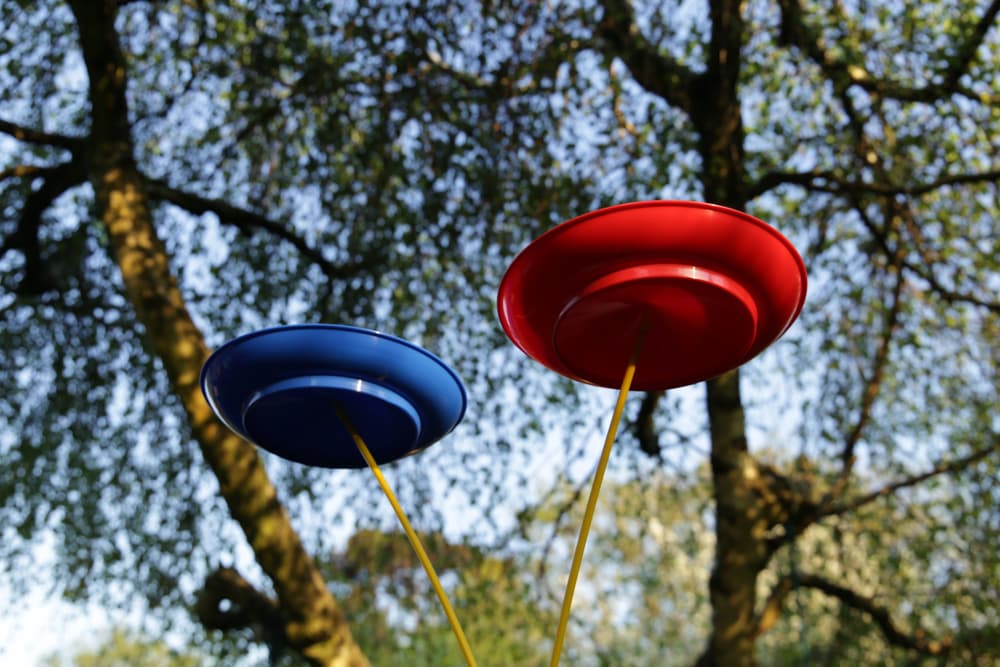
Juggling apprentice tasks can often feel like spinning plates
Starting my PRCA apprenticeship alongside my role at Branagh PR meant figuring out how to balance real client work with structured learning and assessments. On top of my everyday tasks, I had to quickly adjust to logging my off-the-job (OTJ) learning, recording my progress and keeping track of what would eventually be assessed. At first, it felt like there were a lot of plates to keep spinning.
This blog reflects on what that process has been like in my first year on the job, and what has helped me stay organised as I work towards EPA.
Finding a rhythm between work and learning
Like most apprentices, the early weeks involved a lot of adjustment. There is the apprenticeship standard to understand, OTJ learning to log and evidence to collect, all while trying to get to grips with my new role.
Initially, keeping track of learning alongside client work felt like another thing to remember at the end of a busy day. There was some trial and error in understanding what level of detail was needed and where reflection should be kept. Over time, though, using the learner management platform Onefile as a consistent place to capture learning made everything feel more manageable. It also made the link between my daily work tasks and the apprenticeship much clearer.
Staying on top of off-the-job learning
Off-the-job learning is one of those apprenticeship elements that sounds simple on paper but can be difficult to stay on top of in practice. When work gets busy, it is easy for learning admin to slip down the priority list.
To give some context: EPA is the final assessment that determines whether I pass my apprenticeship. It involves submitting a portfolio that shows evidence of everything I've learned, followed by a professional discussion where I talk through my skills and experience. To even get to that point, I need to have logged a set number of off-the-job learning hours, which is why keeping track of them has been so important.
Using the learning platform has helped me see where I'm at with my hours in real time. That way, if I'm falling short, I can adjust my schedule early instead of scrambling to catch up later. As EPA approaches, being able to see that progress clearly has made the whole thing feel much less overwhelming
Using reflection to see progress
One of the most useful parts of logging my progress has been keeping a learner journal. In the beginning, I only really used it to note down thoughts once a task was finished. Over time, I realised it was far more useful to reflect as I went along, rather than trying to piece everything together after a busy period. Writing things down while projects are still fresh makes it easier to articulate what I learned, what worked well, and what I would approach differently next time. Looking back at those reflections has also been a good reminder of how much my confidence and understanding have developed so far.
As I prepare for EPA, having this record has been incredibly helpful. Having a record of reflections means I am not starting from a blank page when it comes to reflecting on my learning and development. Instead, I have a clear narrative to work from, which makes it much easier to articulate my experience.
Learning from feedback along the way
Regular feedback from my apprenticeship coach has been a key part of staying on track. Every report I submit is reviewed, and I can see all the versions I've worked on alongside my coach's comments in one place. It's always clear what the feedback relates to and how it connects back to what I'm being assessed on.
As EPA gets closer, I've found myself going back through older reports more often. I can see where I was previously told that my evidence was a bit thin, or where I needed to demonstrate certain skills more clearly. That pattern of feedback has helped me understand what strong evidence actually looks like.
This has become even more important now, knowing that during EPA I won't have my coach checking my work in the same way. Being able to revisit all that earlier guidance means I can use it to shape how I write my final portfolio and make sure I'm including the strongest possible examples from my time at Branagh PR.
Advice to future apprentices
If I had one piece of advice for anyone starting a PR apprenticeship, it would be to treat your portfolio as something you build gradually, not something you rush to complete at the end. Logging evidence as you go, capturing reflections while they're still fresh and acting on feedback early all make a huge difference.
It's easy to put off the admin side when you're busy with client work but staying on top of it little and often means you're not left scrambling later. Getting yourself ahead by approaching it as a regular part of your routine, rather than a separate task, makes it feel far more manageable. As I head towards EPA, I can focus on demonstrating what I've learned in my role so far, and through my apprenticeship, rather than stressing whether I have enough evidence to reflect it.