Casestudy:Writingaboutmanagingtherisksofheatstress
AUGUST 11, 2026 BY Tim Walsh
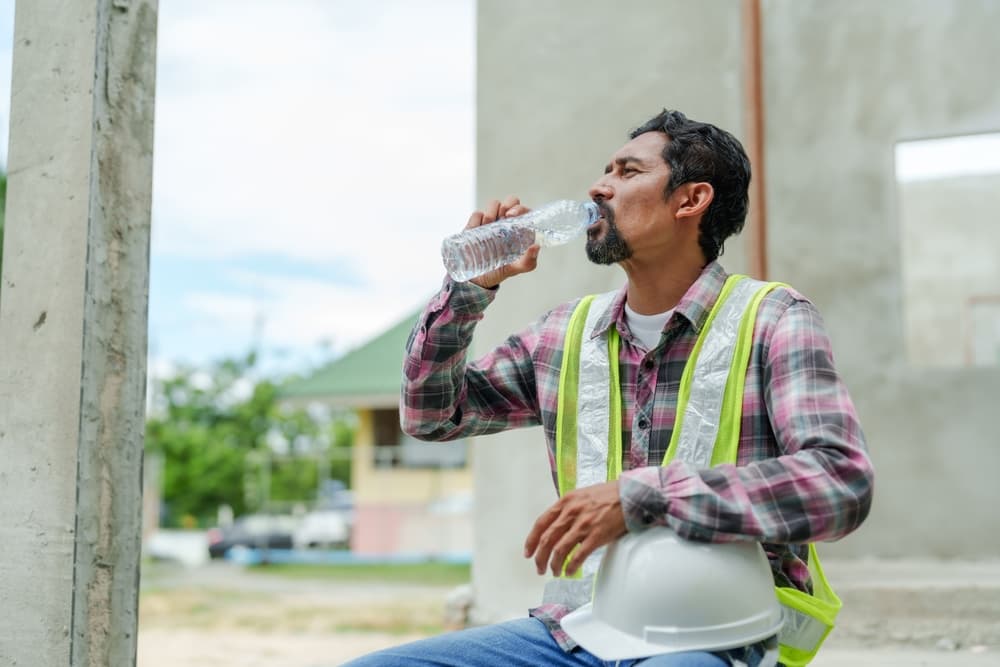
Image by Ekkasit A Siam
Heatwaves have become India's biggest cause of excess deaths, and climate change is making them longer, more frequent and more intense.
The country accounts for more than one in five heat-related deaths globally, and its working population is among those most at risk. Construction workers, street vendors, delivery drivers, agricultural labourers and sanitation workers face the danger outdoors, while poorly ventilated plants, mines and greenhouses carry it indoors. Beyond the direct toll on the body, dehydration erodes attention, decision making and motor skills, compounding the hazards of work at height or long-distance driving.
Our 2026 article for NEBOSH profiled three alumni who were managing those risks for their organisations. Their accounts shared common themes. Preparation begins months before temperatures rise, in some cases at the point land is acquired. Awareness is built through visual communication in local languages and visible leadership commitment. Action on the ground involves adjusted working hours, structured work-rest cycles, hydration and adapted PPE. Recovery depends on on-site medics, medical surveillance and clearly defined escalation pathways.
Many of the protections that save lives are simple and affordable.
Branagh PR specialises in writing about safety and health at work, and we found this a fascinating assignment. With global warming, it is clear that the dangers of heat stress are coming to a growing number of us over the coming years. It is a sobering thought. But the risks can be managed, and NEBOSH alumni in India are leading the way.
We interviewed these safety leaders and then drafted a feature, weaving their perspectives into a compelling narrative. Our careers in journalism have sharpened our interview skills, attention to detail and adeptness at assimilating large amounts of information to tell a clear story. Today, we use those skills to help organisations communicate relevant information on contemporary issues for their audiences.
Five key take-aways
Here are the insights we gained from researching and interviewing for this story.
India's working population is on the front line of a growing crisis. Heatwaves have become the country's biggest cause of excess deaths, and India accounts for more than one in five heat-related deaths worldwide. Workers across a range of industries are affected, but those particularly exposed to the risks either work outside or are in poorly ventilated indoor environments.
Extreme heat multiplies the hazards already present in the workplace. Losing even a small amount of body fluid impairs attention, decision making and motor skills, bringing on dizziness, fatigue and confusion. Those symptoms, of course, can have consequences for anyone working at height or driving long distances, which makes heat a factor in incidents that appear to have other causes.
Effective management begins months before the temperature rises. Our contributors for this piece start preparing for the extreme heat early in the calendar year, ahead of a summer that now arrives earlier and lasts longer than it once did. For infrastructure projects, the assessment goes back further still, to the point at which land is acquired and climate risk is flagged before purchase.
Controls only work when the culture supports them. Awareness can be embedded through visual communications and translations in local languages. Supervisor-led briefings can be effective, and visible, supportive leadership is essential. Contractors and outsourced workers need holding to the same welfare and medical standards as directly employed staff, and all members of a workforce need to feel comfortable in raising symptoms early without hesitation.
Many of the protections that save lives are simple and affordable. Adjusted working hours, structured work-rest cycles, cool drinking water, shaded rest areas, oral rehydration solutions and lighter uniforms all reduce exposure, and at a modest cost. And we can prepare for the cases that still occur, with on-site medics, medical surveillance for vulnerable workers and clearly defined escalation pathways.
This was an essential account by NEBOSH, told through the experiences of safety and health leaders on the ground. We hope it makes a difference in raising awareness of the issue and inspiring others in the profession to take the lead.
If you are interested in telling stories about the people who matter to you, get in touch with us today.